Baking & Desserts Classic Vanilla Butter Cake
Highlighted under: Classic Cakes & Desserts
When I first set out to make a classic vanilla butter cake, I wanted something truly special that would become a family tradition. This cake combines the simplicity of fundamental techniques with a rich, buttery flavor that is irresistible. I’ve spent time perfecting the balance of ingredients to ensure a moist crumb without sacrificing flavor. With just the right amount of vanilla and a tender texture, this cake is perfect for any occasion, whether it's a birthday celebration or a peaceful afternoon tea.
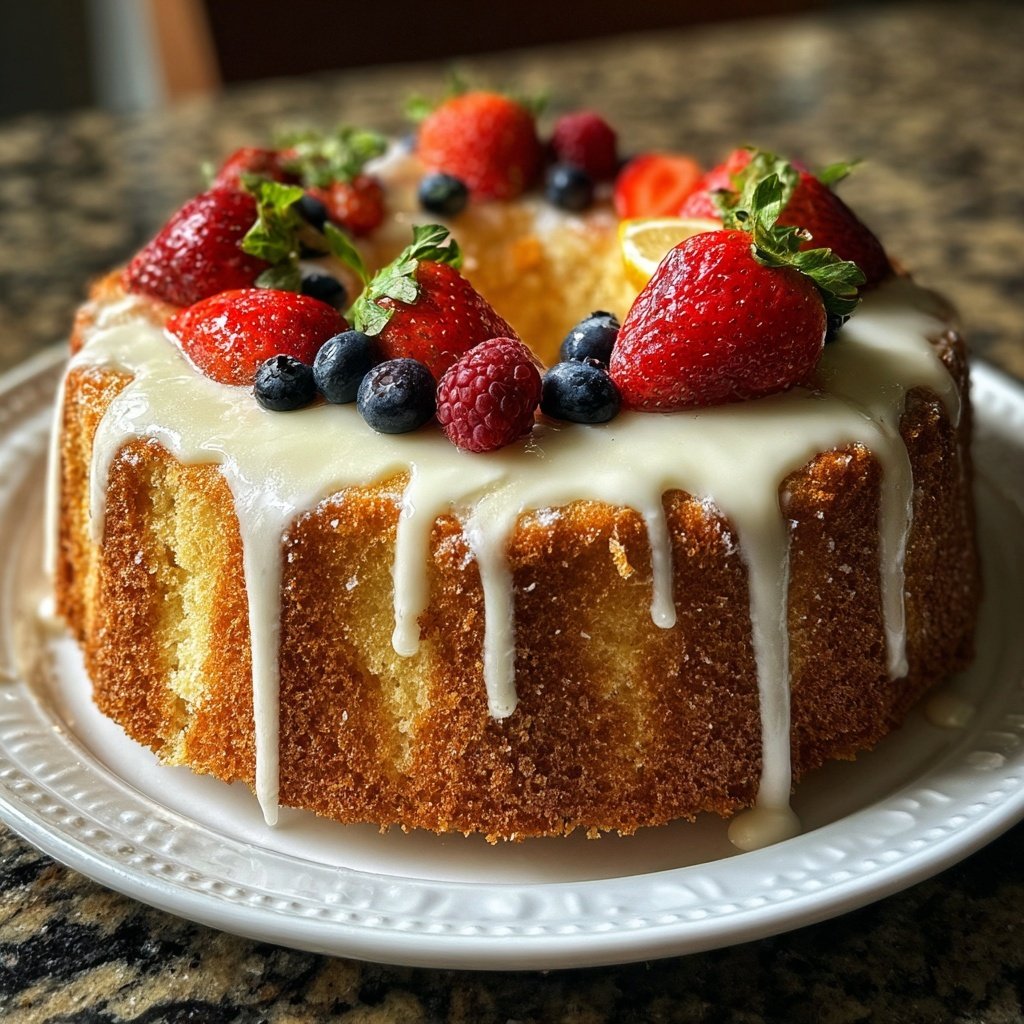
As I made this classic vanilla butter cake for the first time, I was reminded of my grandmother's kitchen, filled with the scent of fresh baking. I chose high-quality vanilla beans for an authentic taste, and it truly made all the difference. I learned the importance of creaming the butter and sugar together until fluffy, which creates air pockets and helps the cake rise beautifully.
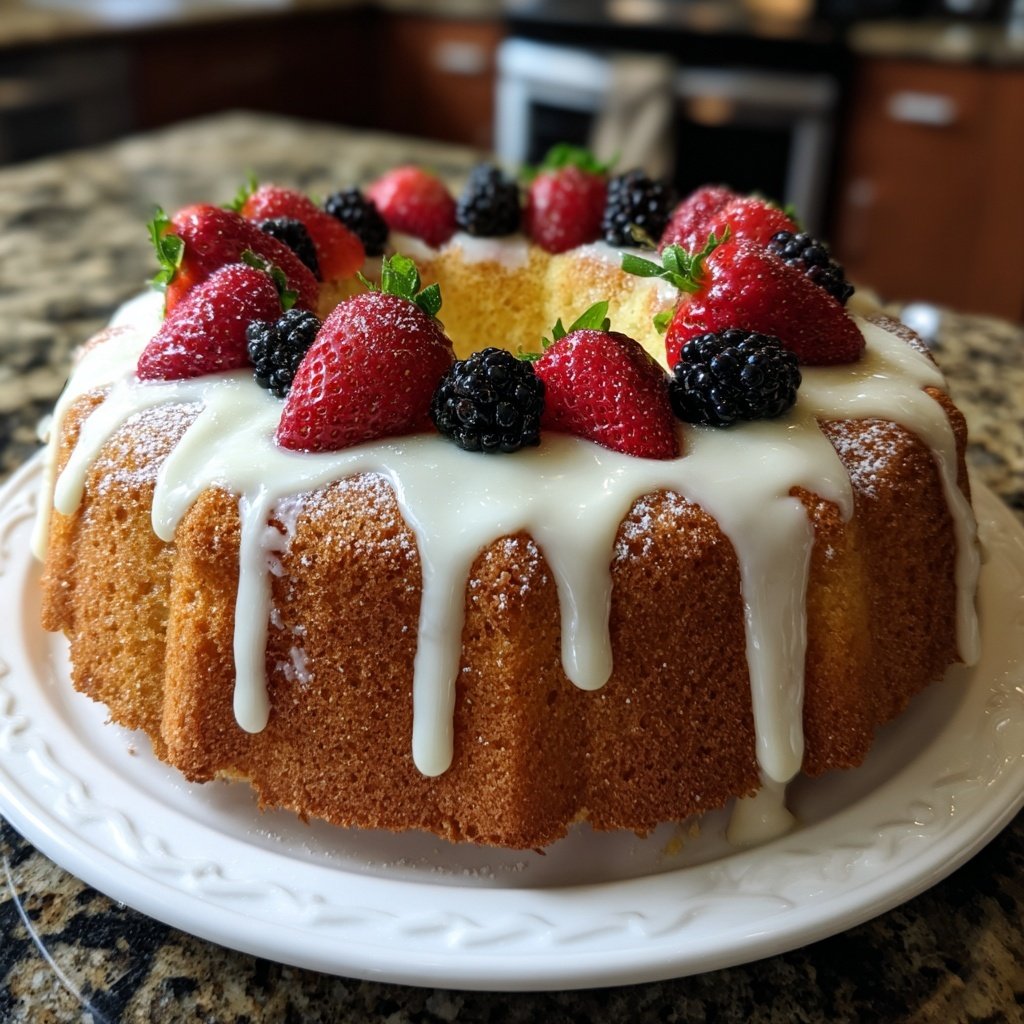
What I love most about this cake is its versatility. It can stand alone as a dessert or be dressed up with fruits, whipped cream, or chocolate ganache. The first slice I served left friends wanting more, and I couldn't help but share the recipe!
Why You Will Love This Cake
- Warm buttery scent that fills the kitchen
- Delicate crumb with a rich vanilla flavor
- Perfect base for custom toppings or fillings
The Importance of Quality Ingredients
The success of this classic vanilla butter cake heavily relies on the quality of your ingredients. Using unsalted butter not only allows you to control the salt level but also enhances the cake's rich flavor. It’s essential to ensure your butter is softened to room temperature, approximately 68°F (20°C). This helps create a smooth and creamy mixture when combined with sugar, which is crucial for achieving the airy texture we desire.
Granulated sugar plays a significant role in the cake's structure and sweetness. It reacts with the butter to incorporate air, which contributes to the lightness of the crumb. I recommend using a fine granulated sugar to ensure a smooth batter and an even bake. When measuring flour, whisk it first to aerate, then spoon it into your measuring cup and level it off. This prevents adding too much flour, which can lead to a dense cake.
Baking Techniques for Perfect Results
Proper mixing techniques are vital for creating the perfect texture in your cake. When you cream the butter and sugar, do so until the mixture is light and fluffy, about 5 minutes. This aeration is what ensures a tender crumb. Avoid over-mixing once you combine the dry ingredients with the wet, as this can develop gluten and result in a tough cake. Mix until you no longer see dry flour, and let the batter be lumpy—this is perfectly fine.
Baking time is critical as well. Every oven can vary slightly, so I recommend checking for doneness around the 25-minute mark. Insert a toothpick in the center; it should come out clean or with only a few moist crumbs attached. If it comes out wet, return the cakes to the oven, checking every two minutes until they are just right. The tops should also have a slight golden color, indicating they are cooked through.
Ingredients
Classic Vanilla Butter Cake Ingredients
- 1 cup unsalted butter, softened
- 2 cups granulated sugar
- 4 large eggs
- 3 cups all-purpose flour
- 1 cup whole milk
- 1 tablespoon vanilla extract
- 1 tablespoon baking powder
- 1 teaspoon salt
Make sure all ingredients are at room temperature for best results.
Instructions
Preheat the Oven
Preheat your oven to 350°F (175°C) and grease two 9-inch round cake pans.
Cream Butter and Sugar
In a large bowl, cream the softened butter and granulated sugar together until light and fluffy, about 5 minutes.
Add Eggs and Vanilla
Add the eggs, one at a time, mixing well after each addition. Stir in the vanilla extract.
Combine Dry Ingredients
In a separate bowl, whisk together the flour, baking powder, and salt.
Mix Dry and Wet Ingredients
Gradually add the dry ingredients to the butter mixture, alternating with the milk. Mix until just combined.
Bake the Cake
Divide the batter evenly between the prepared pans and smooth the tops. Bake for 30 minutes or until a toothpick inserted in the center comes out clean.
Cool and Serve
Allow the cakes to cool in the pans for 10 minutes before transferring to wire racks to cool completely.
Enjoy your cake plain or decorate it with your favorite frosting!
Pro Tips
- For extra moisture, you can drizzle a simple syrup on the layers after baking.
Storage and Make-Ahead Tips
If you want to make this cake in advance, it can be prepared a day ahead. Allow the cakes to cool completely, then wrap them tightly in plastic wrap and store at room temperature for up to two days. For longer storage, these layers freeze exceptionally well; just ensure they are well-wrapped in plastic and aluminum foil. When ready to use, thaw them in the refrigerator overnight and let them come to room temperature before frosting.
For added convenience, you could also freeze the baked and frosted cake. Just be cautious when freezing any delicate toppings—you may want to leave off fresh garnishes, like fruit, until you're ready to serve the cake. When storing frosted cakes, I find placing a piece of parchment between the cake and the plastic wrap helps preserve the frosting's texture.
Customizations and Variations
While this classic vanilla butter cake is delightful on its own, don’t hesitate to get creative! You can easily transform this recipe by incorporating additional flavors such as lemon zest or almond extract, swapping out a portion of the vanilla extract for a unique twist. For a chocolate version, consider substituting a third of the flour with cocoa powder, ensuring to adjust the baking powder accordingly to maintain the right texture.
If you're looking to cater to dietary preferences, you can substitute the all-purpose flour with a gluten-free blend, ensuring it contains xanthan gum, which helps replicate the texture. For a dairy-free option, try using a plant-based butter and almond or oat milk. Just remember that substitutions may slightly alter the taste and texture, so some experimentation may be necessary.
Questions About Recipes
→ Can I use salted butter instead of unsalted?
Yes, but you may want to reduce the added salt in the recipe.
→ How can I make this cake chocolate-flavored?
Substitute 3/4 cup of flour for cocoa powder to incorporate chocolate flavor.
→ Can I bake this in a 9x13 pan?
Yes, simply adjust the baking time to about 40-45 minutes.
→ How do I store leftover cake?
Store in an airtight container at room temperature for up to 3 days or refrigerate for up to a week.
Baking & Desserts Classic Vanilla Butter Cake
Created by: Charity Bowen
Recipe Type: Classic Cakes & Desserts
Skill Level: Beginner
Final Quantity: 12 servings
What You'll Need
Classic Vanilla Butter Cake Ingredients
- 1 cup unsalted butter, softened
- 2 cups granulated sugar
- 4 large eggs
- 3 cups all-purpose flour
- 1 cup whole milk
- 1 tablespoon vanilla extract
- 1 tablespoon baking powder
- 1 teaspoon salt
How-To Steps
Preheat your oven to 350°F (175°C) and grease two 9-inch round cake pans.
In a large bowl, cream the softened butter and granulated sugar together until light and fluffy, about 5 minutes.
Add the eggs, one at a time, mixing well after each addition. Stir in the vanilla extract.
In a separate bowl, whisk together the flour, baking powder, and salt.
Gradually add the dry ingredients to the butter mixture, alternating with the milk. Mix until just combined.
Divide the batter evenly between the prepared pans and smooth the tops. Bake for 30 minutes or until a toothpick inserted in the center comes out clean.
Allow the cakes to cool in the pans for 10 minutes before transferring to wire racks to cool completely.
Extra Tips
- For extra moisture, you can drizzle a simple syrup on the layers after baking.
Nutritional Breakdown (Per Serving)
- Calories: 380 kcal
- Total Fat: 26g
- Saturated Fat: 15g
- Cholesterol: 195mg
- Sodium: 85mg
- Total Carbohydrates: 32g
- Dietary Fiber: 3g
- Sugars: 24g
- Protein: 6g